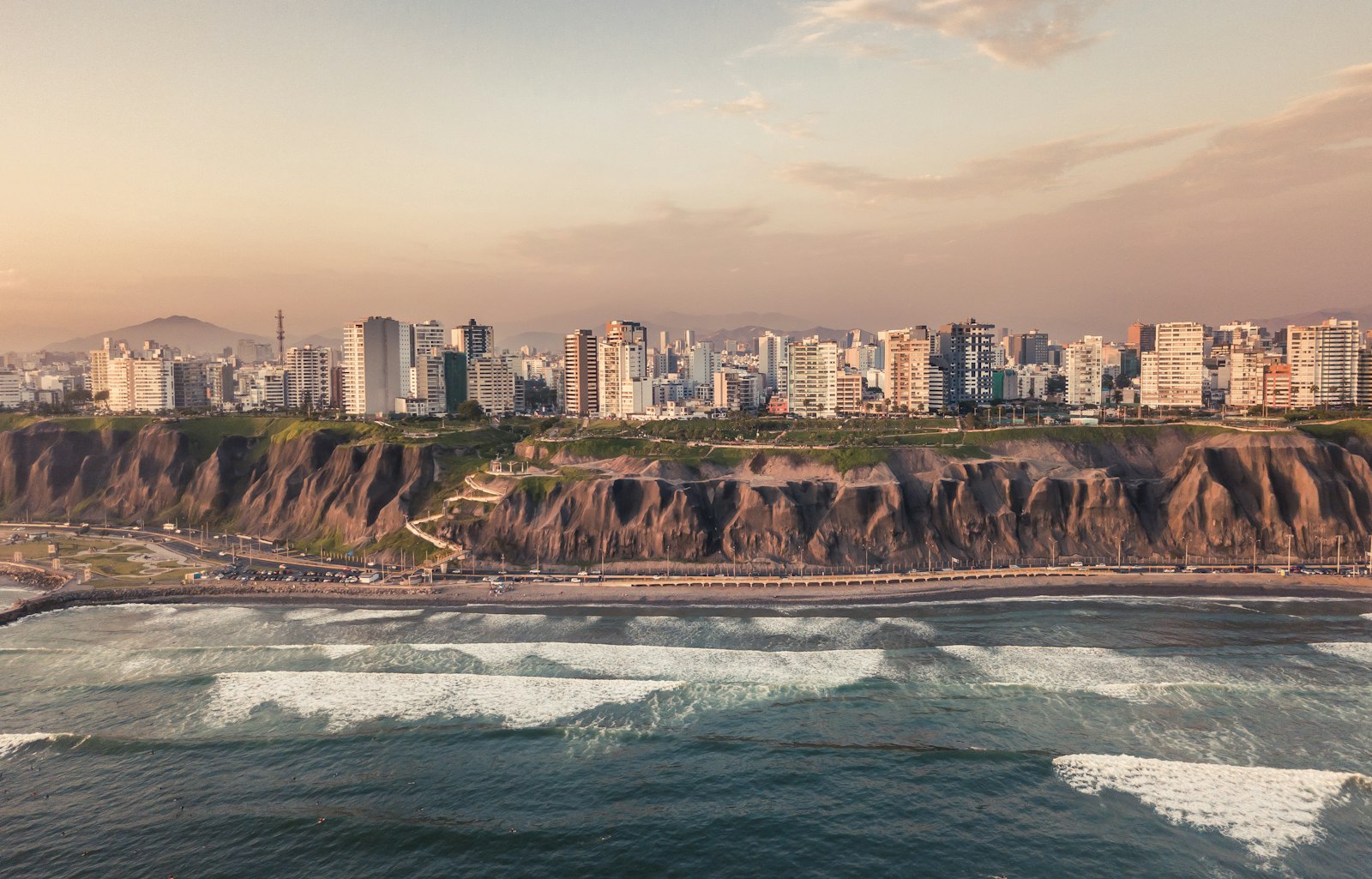
Keiko Fujimori was sworn in as Peru’s president on July 28, 2026, coinciding with Fiestas Patrias — the country’s national independence holiday. The inauguration generated large crowds in Lima, political demonstrations in several districts, and temporary road closures around the Congress and Government Palace in the historic centre. Here is what travellers need to know.
What Happened in Lima on July 28–29
The inauguration ceremony took place at Congress on the morning of July 28, followed by a presidential parade through central Lima. Fiestas Patrias celebrations — which are Peru’s equivalent of national day — ran concurrently, with military parades on Avenida Brasil and large gatherings in parks and plazas across the city.
Political demonstrations, both in support of and opposition to Fujimori, occurred in Miraflores, San Isidro, and the historic centre. Lima’s metropolitan police maintained a strong presence. The demonstrations were largely peaceful, though some road closures around the Plaza de Armas and Palacio de Gobierno restricted vehicle access for most of the day.
As of July 30, Lima has returned to normal operations. The holiday weekend crowds have dispersed, roads are open, and all tourist sites are accessible.
Tourist Sites: Current Status
- Lima — Larco Museum, Huaca Pucllana, Barranco, Miraflores Malecón, and Lima’s food scene are all operating normally.
- Cusco — the Sacred Valley, Machu Picchu, and Cusco city are unaffected. No demonstrations reported in the Cusco region.
- Arequipa, Puno, and the Colca Canyon — no disruption.
What Changes Under a Fujimori Government
For most visitors, very little changes in practical terms in the short term. The Fujimori platform emphasises security, economic stability, and investment — all of which are broadly positive signals for the tourism sector.
A few areas worth monitoring:
Protests may continue in Lima in the days following the inauguration. Presidential transitions in Peru have historically been accompanied by extended street demonstrations, particularly if the electoral result was contested. Travellers spending time in Lima’s historic centre should check local news before visiting the Plaza de Armas area if they have concerns about proximity to any ongoing marches.
No changes to entry requirements are anticipated. Peru’s visa-free access for most OECD country passport holders remains in effect. The removal of the paper TAM card (replaced by a digital system) remains in place.
Machu Picchu entry bookings are unchanged. The timed-entry booking system for Machu Picchu is administered independently of the political calendar. Advance bookings remain essential, particularly for morning entry slots.
Practical Advice for Visitors to Peru Right Now
If you are in Lima or arriving shortly:
- Avoid the immediate vicinity of Congress and the Government Palace during any announced political events in the next week
- The Miraflores and Barranco neighbourhoods are safe and operating normally; Lima tours are running as usual
- Check with your accommodation if road closures affect transfer routes from Jorge Chávez International Airport
Peru remains a compelling destination. The political transition, while significant, does not alter the country’s extraordinary draw — Machu Picchu, the Colca Canyon, the Amazon basin, and Lima’s restaurant scene are all fully accessible.