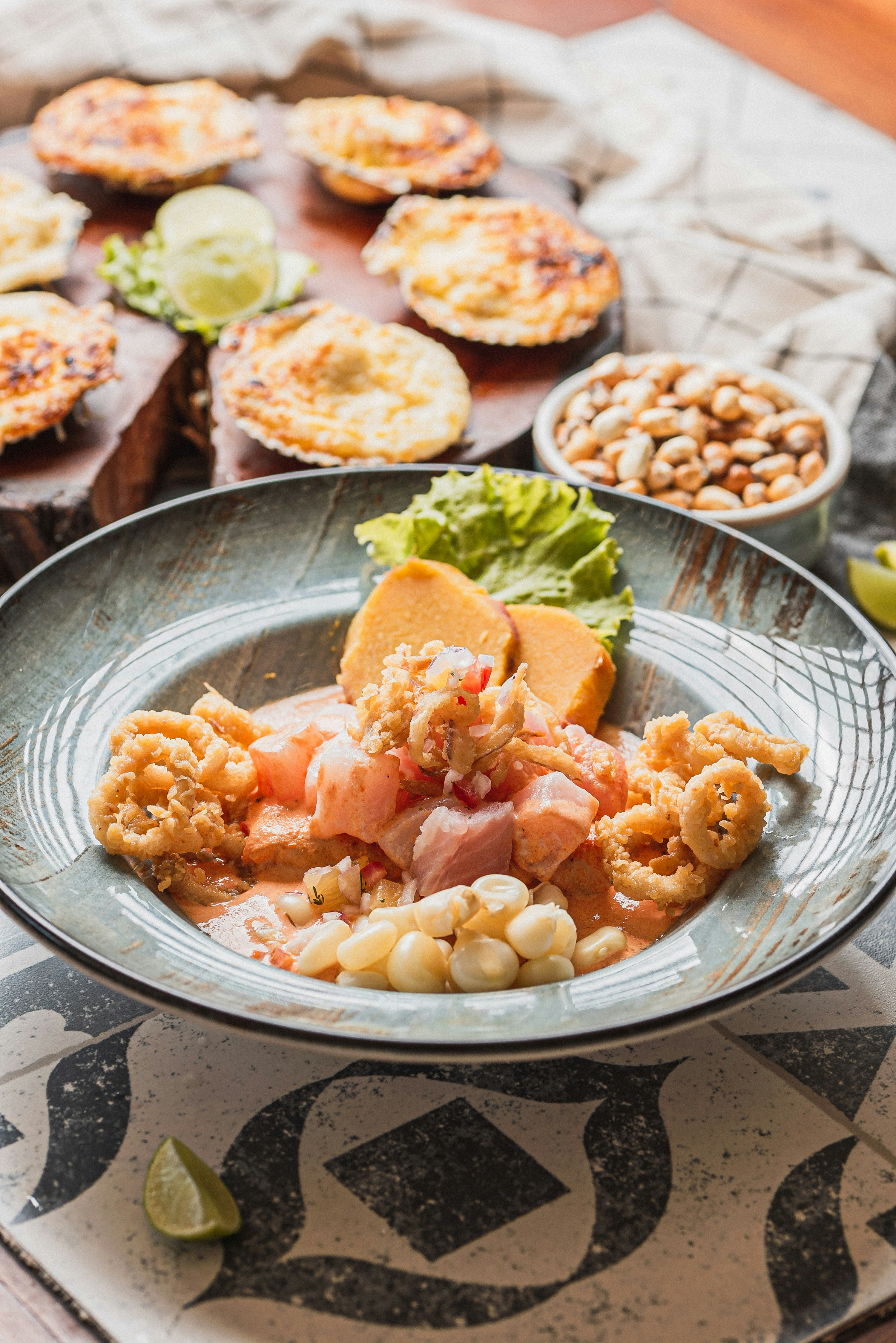
Mistura, widely regarded as Latin America’s largest food festival, has returned to Lima for its 2026 edition, which opened on 6 September. The festival showcases the full breadth of Peru’s culinary traditions — from the coastal cevicherías of Lima to the Andean stews of Cusco and Ayacucho, the Amazonian preparations of Iquitos, and the street food cultures of the country’s regional cities.
What Mistura Is
Mistura was founded by Gastón Acurio and the Apega food society as a platform to celebrate Peruvian cuisine in all its regional diversity. The festival draws both celebrated Lima restaurants and small producers from across the country — farmers, artisan cheesemakers, chocolatiers, bakers and chicha brewers who would not otherwise have an outlet in the capital.
The result is a gathering that functions simultaneously as a food fair, a cultural showcase and a policy forum: Mistura has historically used its platform to advocate for small-scale producers and to push back on the homogenisation of Peruvian food supply chains.
What to Expect at the 2026 Festival
The format follows previous years: a large fairground setting with distinct zones for different food traditions. Visitors move between stalls, cooking demonstrations and talks. Signature items include anticuchos, ceviche prepared by coastal vendors using same-day market fish, and regional dishes that rarely appear on Lima restaurant menus — rocoto relleno from Arequipa, chicharrón de chancho from Ica, and cuy preparations from the highlands.
Expect large crowds at peak hours on weekends. Arriving in the morning (opening is typically 11:00) or on a weekday afternoon avoids the worst of the queues.
A Note on Lima’s Current Context
If you’re planning to visit specifically for Mistura, it’s worth being aware that Lima declared a state of emergency in parts of the city in early September 2026 — as covered in our recent Lima news article. The emergency declaration relates to specific districts and public safety concerns rather than any disruption to the festival venue itself. Check current advisories before travelling and follow the guidance of local accommodation and tour operators on areas to avoid.
Beyond the Festival
Lima’s food scene extends well beyond Mistura week. The city has more restaurants ranked in the World’s 50 Best than any other city outside Europe, and its neighbourhood food markets — particularly the Mercado Surquillo — offer access to the same regional produce that the festival celebrates.
For organised culinary experiences, our Lima food tour guide covers the structured options for exploring the city’s cooking, or browse Lima tours on GetYourGuide for a range of food and cultural experiences during the festival. Our Lima city guide has orientation on the main neighbourhoods, and the Peru food guide gives broader context on the country’s regional cuisines. For practical travel planning, including transport between Lima and Peru’s other destinations, see our Peru practical guide.
Mistura is one of the best possible introductions to Peruvian food culture for a visitor passing through Lima in September — and a reminder of why the country’s cuisine has become one of the world’s most talked-about.