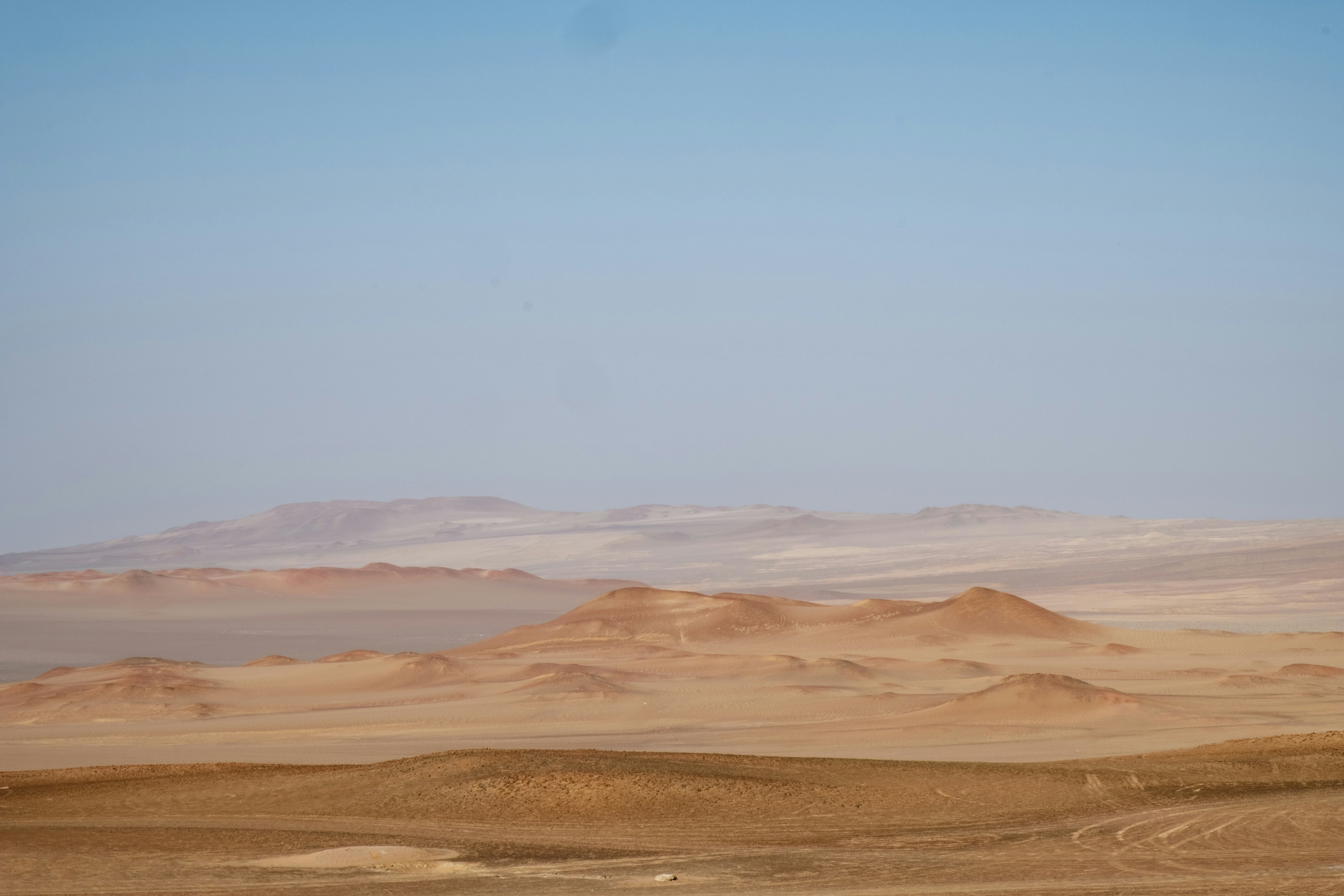
Chan Chan — the largest pre-Columbian city ever built in the Americas and the world’s biggest adobe urban complex — sits on the Peruvian coast just west of Trujillo. Active excavations have been underway at the UNESCO World Heritage Site for decades, and in 2026 a supervised participation programme has opened limited places for travellers who want to contribute to real archaeological work rather than simply walk the marked visitor circuit.
What the Programme Involves
Participants join existing archaeologists and Peruvian Ministry of Culture teams at designated dig sectors — not in the main Tschudi Palace visitor area but in the outer ciudadelas (royal compounds) where excavation is ongoing. Work typically includes debris clearing, soil sieving, grid documentation, and artefact logging under direct supervision. No prior experience is required, though physical fitness matters: the site sits in open desert at sea level, with temperatures reaching 25°C in September and significant sun exposure.
Sessions are half-day (morning) to allow for the standard visitor circuit in the afternoon. The programme operates through authorised Trujillo-based tour operators who hold the necessary permits from the Ministry of Culture. Groups are capped at a small number of participants per session to maintain genuine working conditions rather than a staged experience.
Specific permit and booking details are held by the local operators; we recommend contacting Trujillo-based guides through APTAE (the Peruvian Association of Adventure Tourism) or browsing Trujillo tours to confirm current availability for your dates.
Chan Chan: Context for Visitors
Built by the Chimú civilisation between approximately 850 CE and 1470 CE, Chan Chan covered around 20 square kilometres at its peak and housed an estimated 60,000–100,000 people. The city comprises nine royal ciudadelas, each effectively a self-contained palace-and-tomb complex built by successive Chimú kings. The surviving adobe friezes — repeating geometric patterns, fish, seabirds, and anthropomorphic figures — rank among the most technically intricate pre-Columbian decorative work on the continent.
The main visitor circuit centres on the Tschudi Ciudadela and takes around 1.5 hours at a comfortable pace. The on-site museum provides context on the Chimú period and the conservation challenges of maintaining an adobe complex in an El Niño-affected coastal climate — erosion is the site’s primary ongoing threat, which is part of why active excavation and conservation work continues.
Combining with a Northern Peru Itinerary
Trujillo is a logical northern Peru base that most visitors skip in favour of heading directly to Cusco from Lima. The region’s archaeological density rivals the Cusco area but without the crowds. The Huacas del Sol y de la Luna (Temples of the Sun and Moon, also near Trujillo), the Líneas de Chankillo (Peru’s oldest astronomical observatory, now UNESCO-listed), and the coastal wetlands at Huanchaco are all within a day trip from the city.
If you’re routing through Lima, Lima tours that include a northern circuit add around two to three days and cover the Trujillo region as a distinct itinerary extension. The Chan Chan archaeology programme adds a dimension to that standard circuit that most visitors have not yet encountered — and the site itself, seen in a working context rather than as a roped-off exhibit, is substantially more engaging.
Advance booking is essential; the programme has limited daily capacity and demand in 2026 has exceeded initial estimates.