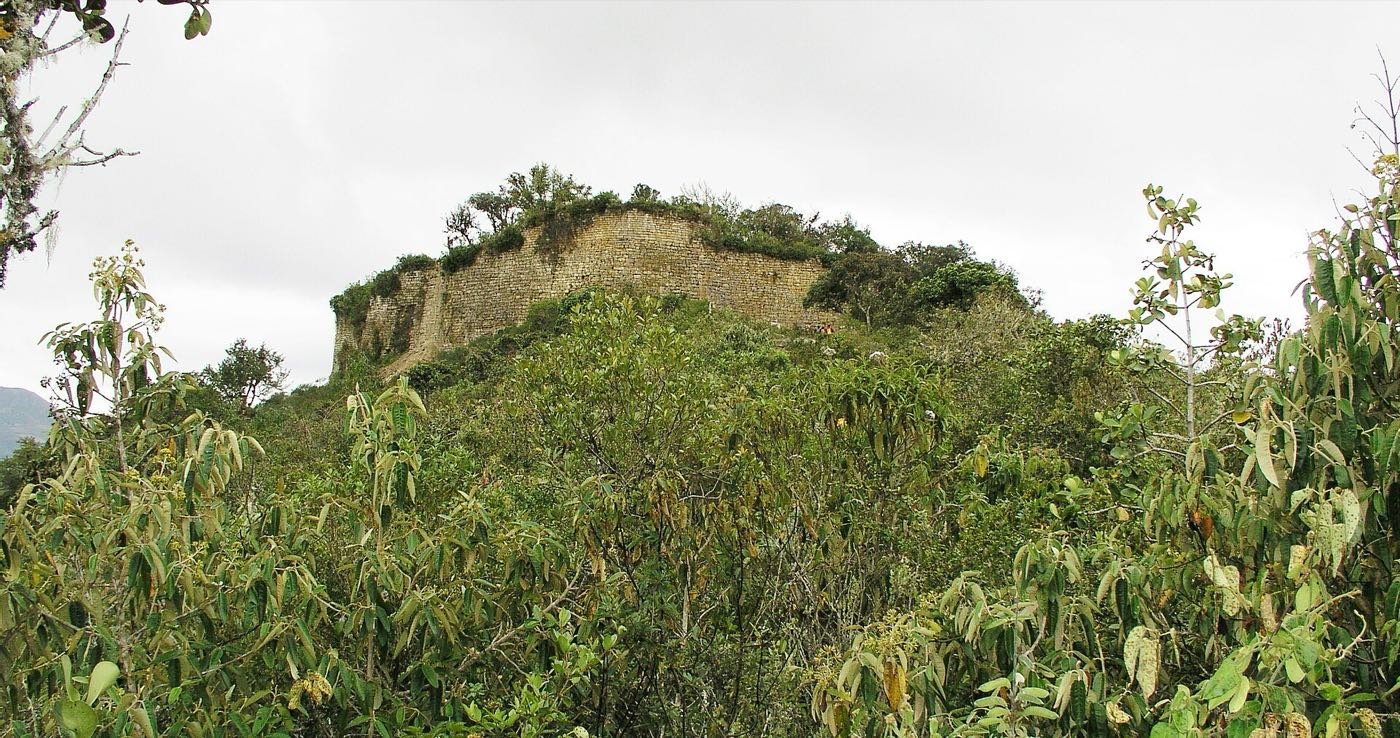
Kuélap is the walled mountain city of the Chachapoya people, and it is the main reason travellers base themselves in Chachapoyas. It is often called the Machu Picchu of the north, but the comparison undersells how different it feels: far fewer visitors, a cloud-forest setting and a limestone wall that dominates the ridge from a distance. This page covers how to get there, tickets, what to see and how to plan the day. For the wider region, including Gocta Falls, see our things to do in Chachapoyas guide.
What Kuélap Is
The Chachapoya culture built Kuélap from approximately the 6th century AD, and the fortress was occupied for centuries, later coming under Inca influence before the Spanish period. It sits on a ridge at approximately 3,000 m above the Utcubamba valley. The outer wall rises up to approximately 19 m in places and encloses an area of roughly 600 m by 110 m. Inside are the foundations of approximately 400 circular houses, many once decorated with rhomboid and zigzag friezes, plus platforms, ramps and a conical structure known as El Tintero that archaeologists associate with ceremonial use.
The entrance is a long, narrow funnel in the wall that forces visitors into single file, which suits a defensive design. The citadel was never a quick conquest for outsiders, and walking the passage today gives a sense of that.
Getting There from Chachapoyas
- Chachapoyas to Nuevo Tingo. Colectivos and tour minibuses run the approximately 1 hour drive along the Utcubamba valley. Tour operators usually leave around 7 or 8 am.
- Nuevo Tingo to the fortress by cable car. The Kuélap cable car opened in 2017 and takes approximately 20 minutes each way. Reports of the return fare vary between roughly S/20 and S/30 as of 2026, so budget for the higher figure and check at the Nuevo Tingo ticket window.
- Walk from the upper station. From the top, a path of approximately 20 to 30 minutes leads to the entrance. Expect uphill stretches at altitude.
The old road to the site via Choctámal avoids the cable car but takes far longer, so it is rarely worth it unless you hire a driver. Peru’s first cable car system opened here, as reported by Andina.
Tickets, Hours and Closing Days
Fortress entry and the cable car are separate purchases, and sources disagree on current prices, so confirm both before you travel. Fortress tickets are managed by the Ministry of Culture and sold through Tuboleto, with daily visitor numbers capped. As of 2026 the site is generally reported closed on Mondays and open from approximately 8 am to 5 pm on other days. Weather can close the cable car at short notice, which is another reason to start early.
Day tours from Chachapoyas bundle transport, the cable car, entry and a guide from approximately USD 40 to USD 60 per person as of 2026. Browse Kuélap and Chachapoyas tours for current departures.
What to See Inside
- The funnel entrance and the outer wall, best photographed from the path before you go in.
- Circular house foundations on the lower and upper platforms, some with reconstructed conical roofs.
- El Tintero, the inverted-cone structure in the upper section.
- The upper citadel (Pueblo Alto), with the best views over the valley on clear days.
- Cloud-forest vegetation growing on the stonework: orchids and bromeliads cling to many walls.
A guide helps connect these, since the site has few signs. Allow approximately 2 to 3 hours.
Practical Tips
- Start early. Mist usually builds by midday.
- Wear boots with grip; the stone is slippery when wet.
- Bring a rain layer, sun protection, water and snacks. Food on site is limited.
- Carry cash in soles for the cable car and small purchases.
- Altitude of approximately 3,000 m is mild but noticeable if you arrive straight from the coast.
Combine Kuélap with Other Sights
Kuélap is a full day on its own. Gocta Falls lies in the opposite direction, so give it a separate day (see our Gocta Falls guide). Karajía and the Revash tombs are also separate trips. For more sites of this type, see historical sites in Peru beyond Machu Picchu.
Where to Stay
Chachapoyas town is the practical base, with transport and tours on the Plaza de Armas. Our where to stay in Chachapoyas page compares town and Cocachimba, and you can check live prices on hotels in Chachapoyas. For how to reach the region, see the Peru bus travel guide, and for official tourism information see PromPerú.
Image credit: Kuelap P7171216mod.jpg by JYB Devot, licensed under CC BY-SA 4.0 via Wikimedia Commons. Resized.
