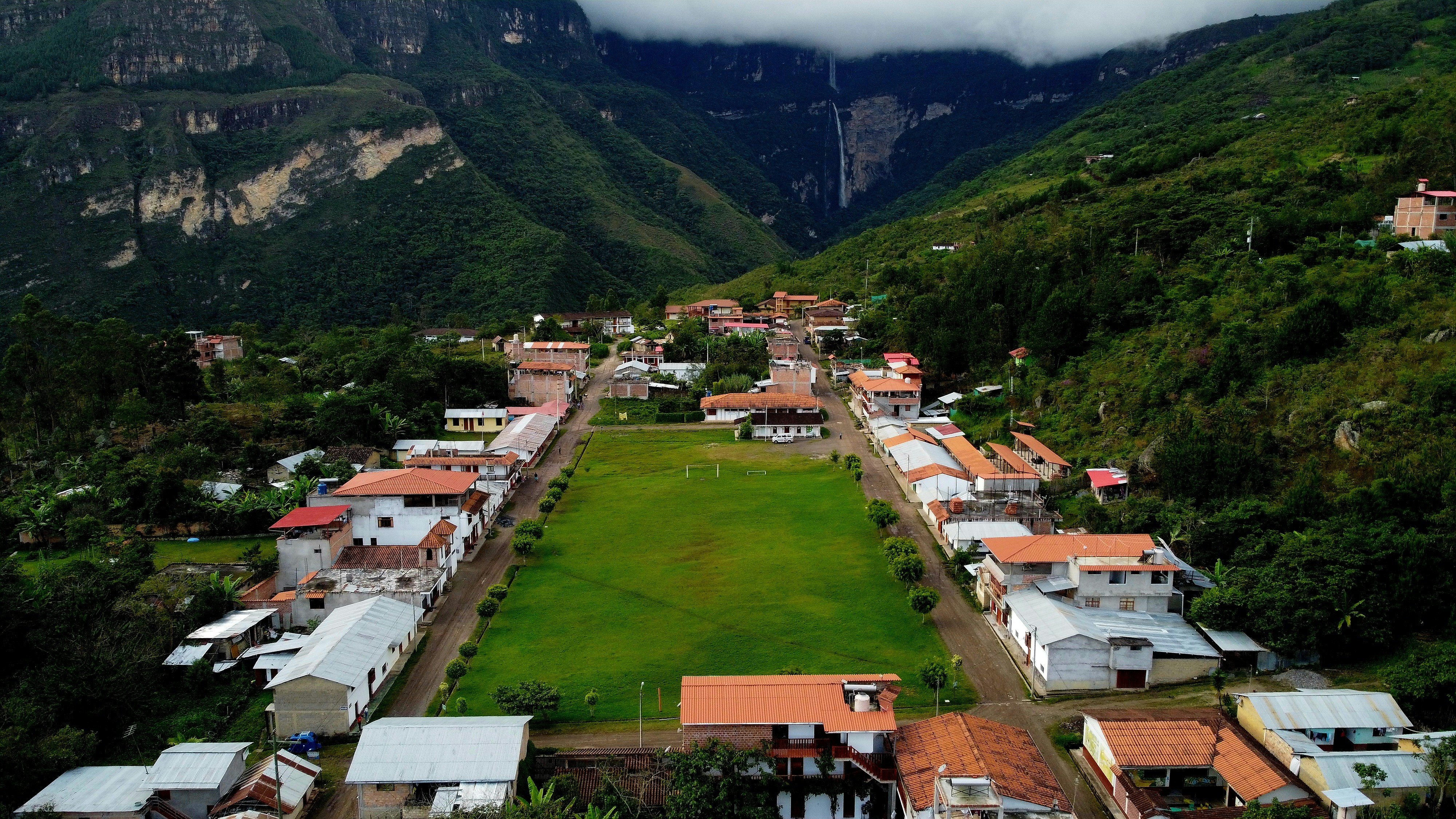
Cajamarca is the capital of one of Peru’s northern Andean departments and a city of genuine historical weight. The Inca Empire’s last emperor was captured here in 1532, setting in motion one of history’s most consequential events. Beyond this, Cajamarca is a handsome colonial city at 2,750 m with thermal baths, a pre-Inca water channel, and a highland food culture centred on dairy products that sets it apart from coastal and southern Peru.
Cuarto del Rescate (Ransom Room)
The only surviving Inca building in Cajamarca and one of the most historically resonant sites in the Americas, the Cuarto del Rescate is the room where Atahualpa, after his capture by Pizarro in November 1532, offered to fill the chamber with gold and silver to the height of an outstretched arm in exchange for his freedom. The room still shows the red line on the wall at the promised height. Entry is approximately PEN 10 as of 2026; a guided tour costs approximately PEN 15–25 extra. Open daily 9:00 am–1:00 pm and 3:00–6:00 pm.
Plaza de Armas
Cajamarca’s Plaza de Armas is where the historic confrontation between Atahualpa and Pizarro took place in November 1532. The current plaza is surrounded by Spanish-colonial architecture: the Cathedral (begun 1682, completed 1762) in stone and the Church of San Francisco (with attached catacombs, entry approximately PEN 5 as of 2026) face each other across the square. The baroque stonework on both churches, carved in the local pale volcanic stone, is outstanding.
Baños del Inca
Five kilometres east of Cajamarca, the Baños del Inca are thermal springs at 70–72°C that have been used for bathing since Inca times - Atahualpa was bathing here when Pizarro arrived. Today a municipal complex rents individual thermal baths (private pools filled to around 38–42°C) for approximately PEN 10–15 for 30 minutes as of 2026. Public pool entry costs approximately PEN 5. Open daily 5:00 am–8:00 pm. Colectivos from central Cajamarca take approximately 10 minutes and cost PEN 2.
Cumbe Mayo
Twenty-three kilometres south-west of Cajamarca at 3,500 m, Cumbe Mayo is a pre-Inca irrigation aqueduct and ceremonial site of remarkable engineering. The carved stone channel, estimated to be at least 3,000 years old, diverts Pacific-slope rainwater to the Atlantic watershed - a feat that reversed the natural continental divide. A cave at the site contains carved rock art. The surrounding highland landscape of eroded stone formations and cloud forest is spectacular. Entry is approximately PEN 8 as of 2026. Tours from Cajamarca cost approximately PEN 25–40 per person; independent taxis cost approximately PEN 60–80 return.
Ventanillas de Otuzco
Eight kilometres north of Cajamarca, the Ventanillas de Otuzco are a cliff face of pre-Inca funeral niches carved into the rock - 337 in total, arranged in rows up the hillside. Dating to the Cajamarca culture (200–1000 CE), the niches once held mummified remains. Entry is approximately PEN 5 as of 2026. Combine with the nearby Ventanillas de Combayo (30 km further, more niches in a more dramatic setting) for a half-day excursion. Taxis from Cajamarca to Otuzco cost approximately PEN 15–20 return.
Belén Complex - Museums and Churches
The Belén Complex (Calle Belén, approximately PEN 8 entry as of 2026) includes the baroque Church of Belén (considered the finest example of Peruvian baroque in northern Peru), a former hospital now housing the Ethnographic Museum, and the Archaeology Museum with Cajamarca culture ceramics. All three are on adjacent streets and share a combined ticket. Allow 1.5–2 hours. Open Tuesday to Sunday 9:00 am–1:00 pm and 3:00–6:00 pm.
Hacienda La Colpa and Livestock Farms
The fertile Cajamarca valley is Peru’s dairy heartland and several working haciendas open to visitors. Hacienda La Colpa, 12 km from Cajamarca, is the most visitor-friendly - tours include a demonstration of cow-calling (cows return to their respective owners by name, a long-held local tradition) and cheese and manjar blanco tastings. Tours cost approximately PEN 20–30 per person as of 2026 and operate most days at 1:00 pm. Taxis from Cajamarca cost approximately PEN 25–30 return.
Carnival de Cajamarca
If your dates allow, Cajamarca’s carnival (held in February or early March) is one of Peru’s most energetic. Water battles (yunzas), traditional dances, and the felling of decorated trees fill the streets. Hotels book out weeks in advance at significant premium. The full week’s programme is published by the Cajamarca tourism office in December.
Cerro Santa Apolonia
A short but steep 20-minute climb above central Cajamarca (from the top of Calle 2 de Mayo), Cerro Santa Apolonia has a carved Inca throne (Silla del Inca) and panoramic views over the city. Entry to the hilltop park is approximately PEN 3 as of 2026. The best light for photography is late afternoon. Combine with a visit to the Belén Complex in the same half-day.
Practical Notes
- Altitude: At 2,750 m, Cajamarca is lower than Cusco but altitude effects are still possible. Rest on arrival and drink coca leaf tea, available at every café.
- Local cheese: Cajamarca cheese (queso fresco and queso mantecoso) is excellent. Buy from the Mercado Central or from farm stalls on the road to Baños del Inca. Manjar blanco (locally made dulce de leche) is the most popular souvenir.
- Day tour options: Most Cajamarca attractions can be combined into half-day tours from the city. Several agencies on Calle del Comercio organise these for approximately PEN 25–45 per person excluding entry fees. You can also book a Cajamarca or northern Peru guided tour in advance to secure a spot on busy dates.
For where to sleep, see our Cajamarca hotels guide and for local restaurants, our Cajamarca food guide.
Cajamarca: More Resources
- Cajamarca Travel Guide - Getting to Cajamarca, city overview, and what to know before arriving.
- Cajamarca Food Guide - Cuy frito, caldo verde, manjar blanco, and the city’s best restaurants.
- Where to Stay in Cajamarca - Colonial guesthouses on the plaza, thermal-bath lodges, and hacienda hotels.
- Trujillo Travel Guide - The coastal city connected to Cajamarca by 6-hour highland road - Chan Chan and the Moche culture.
- Chiclayo Travel Guide - 5 hours west through the coastal desert with the Sipán royal tombs.
- 1-Week Peru Itinerary - How Cajamarca fits into a one-week Peru loop from Lima. Search hotels in Cajamarca on Booking.com