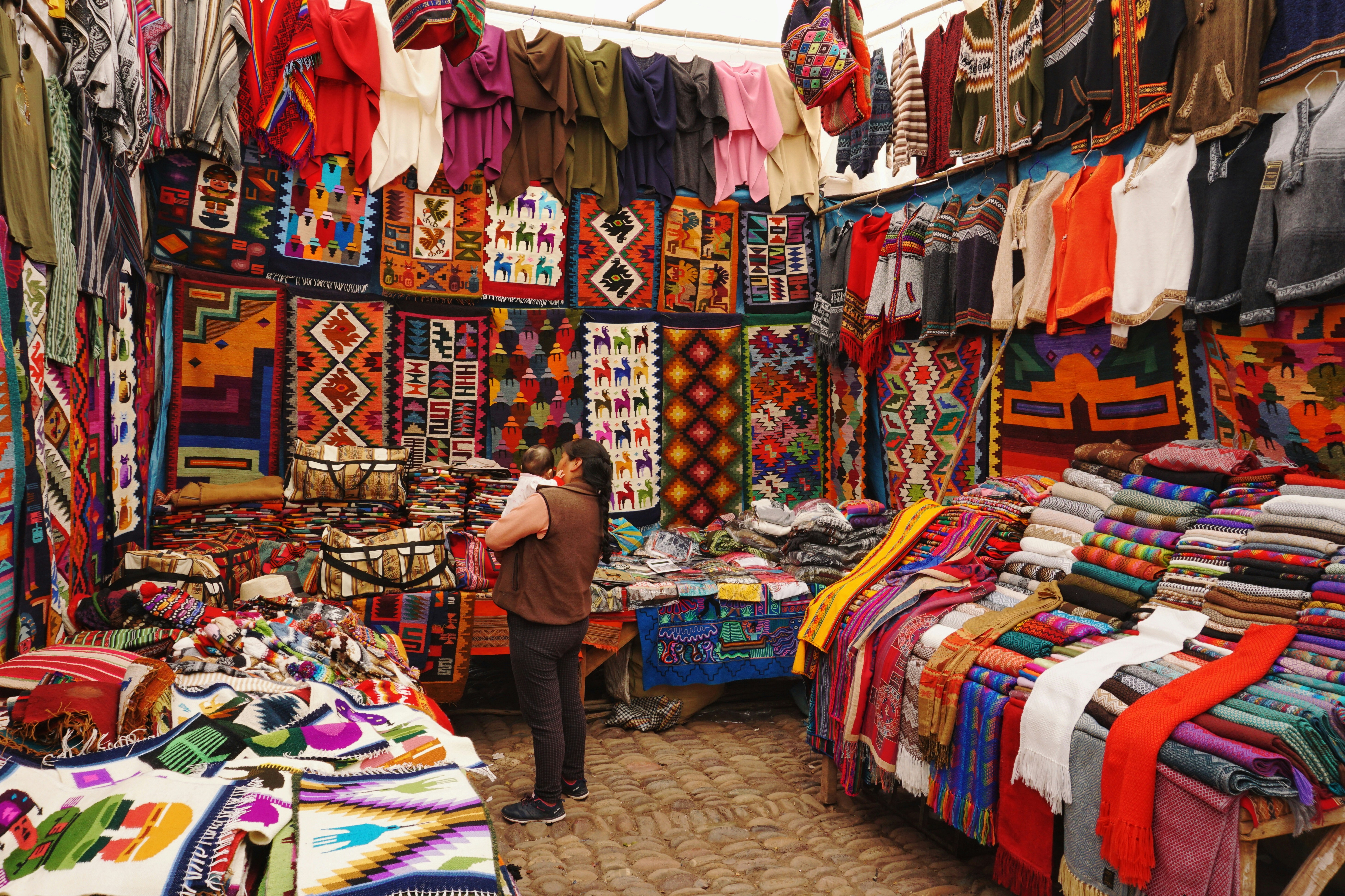
Cajamarca food is highland Andean food with a dairy-driven identity that sets it apart from coastal and southern Peru. The altitude (2,750 m) and cool climate support cattle farming rather than the fishing economy of the coast, and the result is a cuisine built on hearty soups, slow-cooked meats, and an exceptional range of fresh dairy products. Cheese and manjar blanco are the unmissable food souvenirs.
El Batán
On Calle del Batán, El Batán is Cajamarca’s most celebrated restaurant for traditional highland cuisine. The caldo de gallina (hen broth with vegetables and herbs, approximately PEN 20–26 as of 2026) is the morning dish; by lunch the kitchen moves to cuy frito (whole fried guinea pig, PEN 52–68) and cecina con frijoles (dried cured pork with beans, PEN 38–48). The portions are enormous. Open daily from 8:00 am to 4:00 pm - closed for dinner.
Restaurante Salas
One of the oldest continuously operating restaurants in Cajamarca, Salas on Jiron Amalia Puga has served the same Cajamarquino families for over 50 years. The caldo verde (green broth of potato, oca, and fresh herbs, approximately PEN 16–22 as of 2026) is the dish that regulars return for. Chicharrón (fried pork belly, PEN 32–42) on Sundays is the weekly highlight. No English menu; open daily from 7:00 am.
Casona Restaurant
In a colonial building on Amalia Puga, Casona serves Cajamarca regional dishes with slightly elevated presentation. The lomo de res con papas doradas (beef tenderloin with golden native potatoes, approximately PEN 48–60 as of 2026) and trucha grillada (grilled trout with highland herbs, PEN 42–52) represent the kitchen’s range. The restaurant has a pisco bar and serves cocktails from 6:00 pm - one of the few dinner options in Cajamarca that doesn’t feel like a lunch room.
Mercado Central - Cheese and Dairy Section
The covered market on Calle Apurímac is the essential Cajamarca food stop. The dairy section (concentrated in the eastern halls) sells queso fresco (fresh white cheese, approximately PEN 12–18 per kg as of 2026), queso mantecoso (a softer, butterier cheese unique to Cajamarca, PEN 18–25 per kg), and manjar blanco in glass jars (PEN 8–14 per jar, varying sizes). The morning is the best time - producers arrive from farms in the surrounding valley from around 7:00 am.
Quesería Batangrande
Outside the Mercado Central, Quesería Batangrande on Avenida Atahualpa is a dairy specialist selling Cajamarca cheeses and manjar blanco direct from local farms. Quality is higher than supermarket equivalents. The mantecoso cheese here is softer and fresher than anything found in Lima. Open Monday to Saturday 8:00 am–7:00 pm. Custom vacuum-sealing is available for travellers.
El Portal de Marquéz
On Calle Amalia Puga near the Plaza de Armas, El Portal is a café-restaurant popular for breakfast and lunch with a colonial courtyard seating area. Breakfasts (approximately PEN 18–25 as of 2026) feature fresh Cajamarca cheese on toast, local jam, eggs, and coffee - a reliable fuel stop before a morning excursion. The daily set lunch (PEN 18–22) is good value. Coffee is sourced from the Cajamarca region’s small coffee farms in the lower cloud forest.
Taverna Caxamarca
A wine and tapas bar on Jiron Cruz de Piedra, Taverna Caxamarca operates from 6:00 pm as Cajamarca’s best evening option. The menu of sharing plates (PEN 22–38 each as of 2026) includes highland-inspired small dishes: causa de queso mantecoso (potato terrine with local cheese), anticuchos (skewered beef heart), and cured meats. Peruvian and Chilean wines by the glass from approximately PEN 18–28. Closed Mondays.
La Casona del Inca
Attached to a colonial hotel on Calle Dos de Mayo, La Casona del Inca has a menu that bridges traditional and contemporary Andean food. The sopa de quinoa con hongos silvestres (quinoa and wild mushroom soup, approximately PEN 22–28 as of 2026) is the kitchen’s most distinctive dish. The main courses lean traditional - lomo saltado (PEN 42–52) and cuy al horno (oven-roasted guinea pig, PEN 58–72). The colonial interior with stone walls and wooden beams is the most atmospheric dining room in the city centre.
Dulcería El Remanso
A sweet shop on Avenida Amalia Puga dedicated to Cajamarca confectionery. Manjar blanco in various consistencies (soft for spreading, firmer for cutting) is the main draw at approximately PEN 8–20 per unit depending on size. Alfajores filled with manjar blanco (PEN 3–5 each), turrones (PEN 6–10), and queso helado (a Cajamarca dairy-based ice cream confection) round out the selection. Open daily 8:00 am–8:00 pm.
Practical Notes
- Guinea pig: Cuy is a speciality of highland Andean cuisine and is found on menus throughout Cajamarca. The most common preparations are frito (deep-fried whole) or al horno (oven-roasted). It is a normal local protein - approximately the size and flavour of rabbit.
- Meal times: Lunch is the main meal of the day in Cajamarca, typically from 12:30–3:00 pm. Evening restaurants are fewer and close earlier than in Lima or Cusco; plan dinner before 8:30 pm.
- Coffee: Cajamarca produces highland coffee in its lower cloud-forest zones (around 1,800–2,200 m). Several cafés on Amalia Puga sell Cajamarca-origin single-estate beans - worth picking up as a souvenir alongside the cheese.
- Altitude and appetite: At 2,750 m, appetite suppression is common on the first day. Start with soup and light dishes; allow a day before attempting cuy frito.
For where to stay, see our Cajamarca hotels guide. To combine local food stops with a guided city tour, browse Cajamarca and northern Peru tour options.
Cajamarca: More Resources
- Cajamarca Travel Guide - Transport connections, city orientation, and what to know before visiting.
- Things to Do in Cajamarca - Cuarto del Rescate, Baños del Inca, Cumbe Mayo, and dairy farm visits.
- Where to Stay in Cajamarca - From budget guesthouses on the Plaza to hacienda hotels with farm access.
- Trujillo Travel Guide - 6 hours west by road - the coastal archaeology alternative to highland Cajamarca.
- 1-Week Peru Itinerary - Building a short Peru trip that includes the northern highlands.
Plan Your Visit to Cajamarca
- Cajamarca tours — dairy farm visits, Baños del Inca excursions, and Cuarto del Rescate guided tours
- Travel insurance for Peru — highland cover for the northern Andes circuit
- Peru eSIM — Airalo data for the Lima-to-Cajamarca trip and onward to the coast
- Browse hotels in Cajamarca — Plaza de Armas options put you within walking distance of the cheese shops, the market, and the hacienda restaurants.