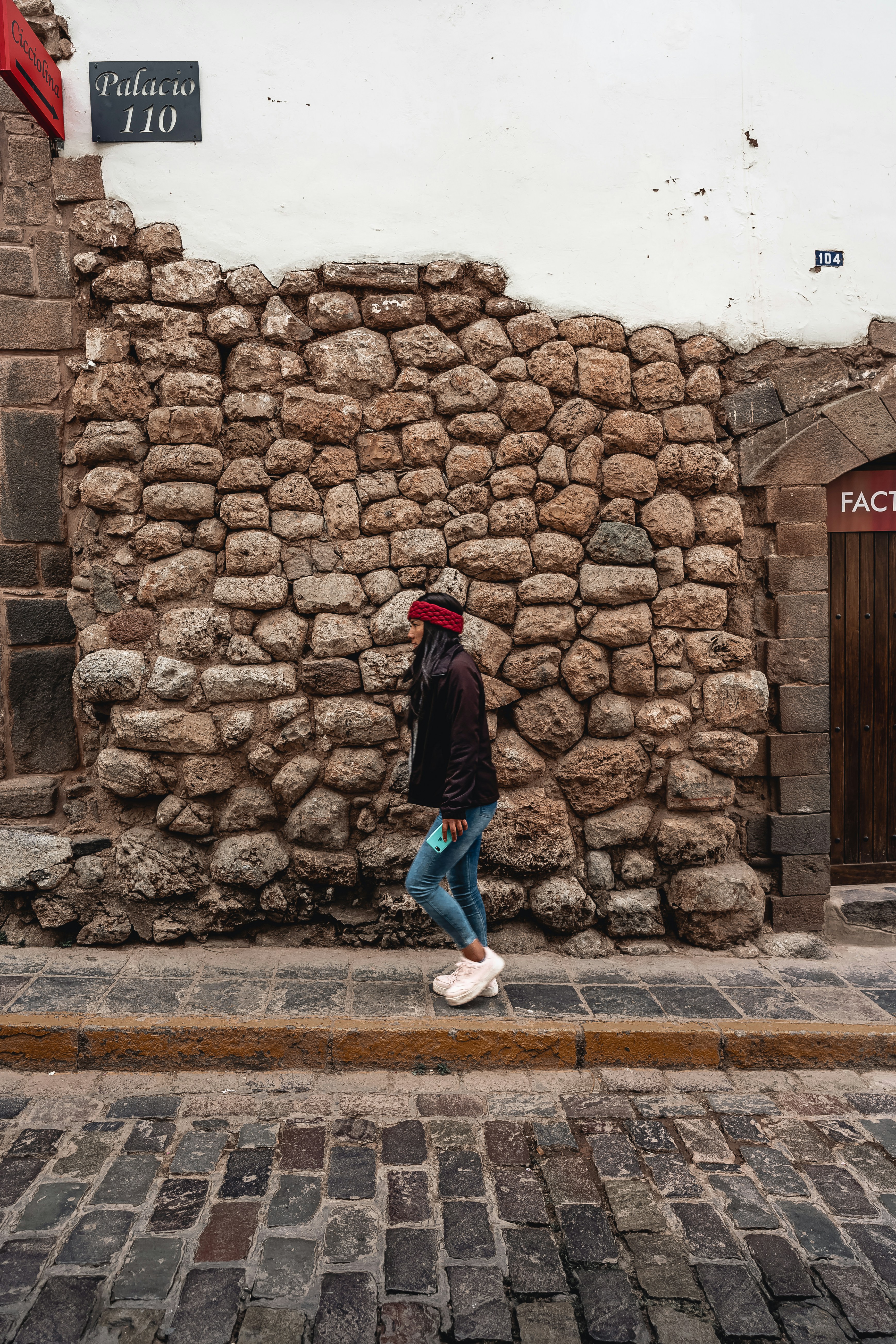
Cusco is the Inca capital turned colonial city and the main base for visitors heading to Machu Picchu, the Sacred Valley, and the Inca Trail. At 3,400 metres above sea level, where you stay and how you acclimatise on arrival matters as much as the bed you sleep in. The hotel scene ranges from backpacker hostels in converted colonial houses to five-star properties built inside 15th-century Inca palaces.
Before You Book: Altitude and Location
Cusco’s centre is walkable but hilly. Hotels on or within two blocks of the Plaza de Armas give you the best access to restaurants, tour offices, and transport connections. San Blas is a steep 10-minute walk above the Plaza: atmospheric but harder on arrival day when altitude hits. If you are coming from Lima at sea level, plan a rest day on arrival regardless of where you stay.
Budget: USD 15-40 per night
The budget hostel scene in Cusco is competitive and generally high quality, with several international brands competing alongside good local options.
Flying Dog Hostel Cusco (dorms approximately USD 15-18, private rooms USD 30-45 as of 2026) is part of the reliable Flying Dog chain found across Peru’s main backpacker cities. Two locations in Cusco: one near the Plaza de Armas and one in San Blas. Both have a bar, tour desk, shared kitchen, and social atmosphere. A dependable choice for solo travellers on their first night at altitude.
Selina Cusco (dorms from approximately USD 18-22, private rooms from USD 45-70 as of 2026) is the international Selina brand in a central Cusco property with coworking space, a cafe, bar, and private rooms that bridge the hostel-hotel gap. Better suited to longer stays or digital nomads than one-nighters.
Wild Rover Hostel Cusco (dorms from approximately USD 12-16 as of 2026) has a reputation as one of the liveliest social hostels in Cusco, centred around its bar and rooftop area. Not ideal if you want quiet recovery from altitude, but good if you are looking to connect with other travellers.
Mid-range: USD 60-150 per night
This tier is where Cusco really delivers. Converted colonial mansions and guesthouses in this bracket offer character that far exceeds what the same budget buys elsewhere in Peru.
Casa Andina Select Cusco (from approximately USD 80-120 as of 2026) is a reliable mid-range chain with a track record across Peru. Central location, consistent service, oxygen enrichment in rooms (standard at this altitude for the brand), restaurant, and a comfortable base for multi-day trips out to the Sacred Valley. Good for travellers who want predictable quality.
Tierra Viva Cusco Plaza (from approximately USD 70-110 as of 2026) is a Peruvian boutique chain with a property right on the Plaza de Armas. Colonial architecture, 24-hour reception, breakfast included in most rates, and a plaza-facing location that is hard to beat for orientation on arrival.
Novotel Cusco (from approximately USD 100-160 as of 2026) gives you Accor group reliability with a Cusco colonial exterior. A few blocks from the Plaza, with a pool, restaurant, gym, and consistent international standards. A good choice if you want a recognised brand at a sensible price.
Luxury: USD 180-600+ per night
Cusco’s top tier is genuinely exceptional. The city’s historic buildings have been converted into some of the best-located luxury hotels in South America.
Palacio del Inka, a Luxury Collection Hotel (from approximately USD 250-400 as of 2026) occupies a 16th-century mansion directly opposite the Qorikancha (Temple of the Sun), the most important Inca temple in Cusco. The property sits on original Inca foundations and blends authentic stone walls with five-star facilities including a spa, fine dining, and oxygen-enriched rooms. One of the landmark luxury addresses in Peru.
JW Marriott El Convento Cusco (from approximately USD 300-500 as of 2026) is set inside a restored 16th-century Dominican convent on the Plaza de Armas. The property spans multiple historic buildings around a central courtyard, with a spa, rooftop bar, and the signature Marriott service. Plaza-facing rooms offer direct views of the cathedral. The best address in the city for position alone.
Compare prices and availability across all Cusco hotels — Search hotels in Cusco.
Practical Notes
Book train tickets to Aguas Calientes (gateway to Machu Picchu) as soon as you confirm hotel dates: they sell out weeks in advance during peak season (June to August). Most mid-range and luxury hotels in Cusco include breakfast and can arrange early wake-up calls and packed lunches for Inca Trail and Sacred Valley departures. Taxis in Cusco are inexpensive (approximately S/8-12 within the centre); use registered taxi companies or apps at night.