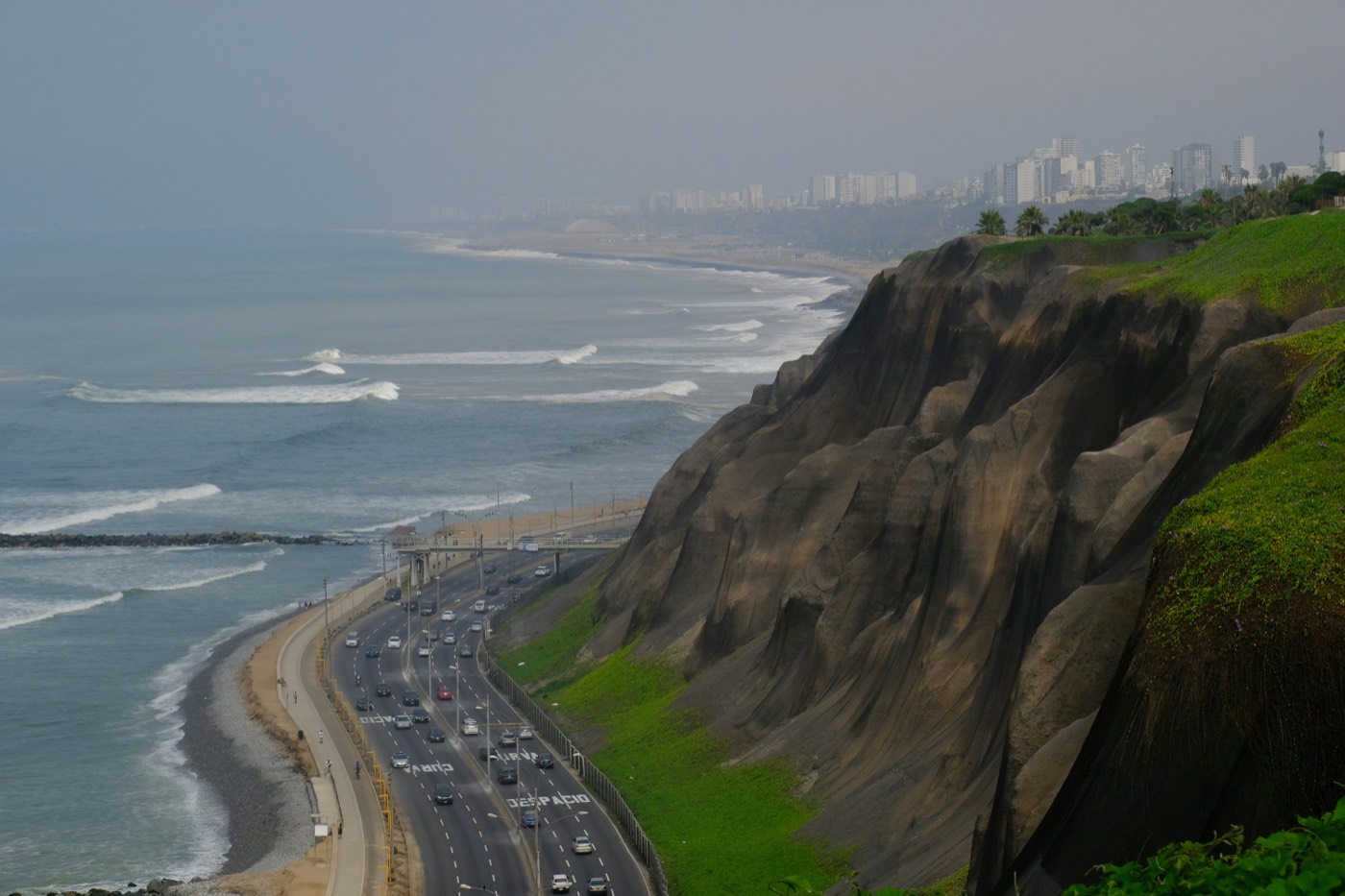
Lima is a practical base for remote workers in South America. When you need a break from screens, Lima tours cover the Larco Museum, Barranco street art, and day trips to Pachacamac at a pace that fits around working hours. It has fast internet, a reasonable cost of living compared to equivalent cities, a long tourist visa allowance, strong alignment with US East Coast business hours, and enough infrastructure in its better neighbourhoods to work comfortably for several months. The city’s size (over 10 million people) means the quality of experience varies enormously by neighbourhood - Miraflores is safe, walkable, and well-connected; other areas are not.
Visa Situation
Peru does not have a dedicated digital nomad visa as of 2026. Remote workers enter on a standard tourist stamp (Tarjeta Andina de Migración), which grants 90 days on arrival for most passport holders from Europe, North America, Australia, and most of Latin America. Our Peru visa requirements guide covers the full entry process, extension procedure, and official sources to verify before you travel.
Extension: The 90-day tourist stamp can be extended once at a Migraciones office (Avenida España 730, Lima Centro; or branches in other major cities) for an additional 90 days, giving a maximum of 180 days per calendar year. The extension costs approximately S/100–S/150 in administrative fees as of 2026 and requires a recent photo, your passport, and proof of sufficient funds. Process takes approximately 1–2 business days.
After 180 days, you must leave the country. Many long-term nomads do border runs to Bolivia (via Puno), Ecuador (via Tumbes), or Chile (via Tacna), which resets the clock. Immigration officers have discretion on re-entry and extended patterns can attract questions - this is not a formal arrangement.
There is no official guidance from Peru’s immigration authority confirming remote work on a tourist visa as permissible; this is the current practical reality, not a legal guarantee.
Internet and Infrastructure
Lima’s fixed internet infrastructure is among the better in South America. Residential fibre connections in Miraflores and San Isidro typically deliver 50–100 Mbps symmetric as of 2026. The main providers are Movistar, Claro, and Entel. Most modern apartments in the main nomad neighbourhoods come with fibre included or available.
Coworking spaces typically have managed connections running at 100–300 Mbps with redundant backup lines. Video calls, VPNs, and large file uploads are all handled without issue in these environments.
Power cuts are infrequent in Miraflores, San Isidro, and Barranco - far less common than in some other South American capitals. Coworking spaces invariably have UPS backup.
Time Zone
Lima operates on UTC-5 year-round (Peru does not observe daylight saving time). This provides:
- Overlap with US East Coast: 08:00–17:00 Lima = 08:00–17:00 EST / 09:00–18:00 EDT
- Overlap with US West Coast: 08:00–17:00 Lima = 05:00–14:00 PST / 06:00–15:00 PDT
- European working hours: significant offset (UTC-5 vs UTC+1/2), requiring early mornings if working with European clients
The UTC-5 alignment makes Lima one of the better South American cities for US-based remote workers. Meetings can be scheduled during normal Lima business hours without requiring early mornings or late evenings.
Best Neighbourhoods
Miraflores is the default base for digital nomads. It is consistently the safest neighbourhood in Lima, with well-maintained streets, 24-hour restaurants and cafés, good supermarkets, and direct bus access to the airport. The Parque Kennedy area and the Larcomar clifftop mall provide good options for working from a café. Property quality is high and infrastructure (internet, water, electricity) is reliable. It is also the most expensive neighbourhood in Lima.
Barranco - immediately south of Miraflores - has developed into Lima’s creative and arts district. It is smaller and quieter than Miraflores, with a more neighbourhood feel. Cafés suitable for working have expanded significantly in recent years, and it attracts a younger nomad and expat crowd. Slightly lower rents than Miraflores. Safety is acceptable in the main commercial streets but requires more awareness at night than in Miraflores proper.
San Isidro is Lima’s business district. Less vibrant than Miraflores for daily life, but strong infrastructure (the main coworking chains are well-represented here), quiet streets, and good transport connections. Suits nomads who prefer routine and prefer to separate work and social life geographically.
Avoid for staying: Lima Centro (historic downtown) is architecturally interesting but has higher petty crime rates and significantly worse infrastructure for nomad living. Worth visiting for sightseeing; not recommended as a base.
Coworking Spaces
Regus Miraflores (Canaval y Moreyra 452, San Isidro / multiple Lima locations) - The most established international coworking brand in Lima. Day passes approximately USD 20–USD 30, monthly hot-desks approximately USD 200–USD 350 as of 2026. Reliable infrastructure, good meeting room availability, professional environment.
Comunal Coworking (Miraflores and Barranco locations) - The most popular locally-grown coworking brand in Lima. Monthly memberships from approximately USD 150–USD 250 as of 2026 for hot-desk access. Good coffee, events programme, and a social community. The Barranco location has a particularly good atmosphere.
Selina Lima (Miraflores) - Part of the global Selina brand combining coworking with coliving and hostel facilities. Day passes approximately USD 15–USD 25, monthly memberships approximately USD 120–USD 200 as of 2026. Popular with the travelling nomad community; tends toward a younger crowd. Good for short stays and meeting other nomads.
WeWork (San Isidro) - Standard WeWork product. Monthly hot-desk memberships from approximately USD 250–USD 400 as of 2026. More corporate in atmosphere than Comunal. Best suited for video-heavy work or those who need private offices.
Many cafés in Miraflores (Green Café, Puku Puku, multiple Starbucks locations) are used informally for working, with reliable WiFi and power points. Most will not ask you to leave if you spend several hours over a purchase. This is a viable and cheaper alternative to a full coworking membership.
Cost of Living
Approximate monthly costs for a solo digital nomad in Miraflores as of 2026:
| Item | Approximate cost |
|---|---|
| 1BR furnished apartment (Miraflores) | USD 500–800/month |
| 1BR furnished apartment (Barranco) | USD 400–650/month |
| Coworking hot-desk membership | USD 150–350/month |
| Groceries (cooking most meals) | USD 150–250/month |
| Eating out (mid-range, 3–4x/week) | USD 200–350/month |
| Transport (Uber/taxi, no car) | USD 60–120/month |
| Utilities (internet, electricity, water - usually included in rent) | USD 0–80/month |
| Total estimate (Miraflores, comfortable) | USD 1,500–2,200/month |
These figures are based on a comfortable lifestyle that includes eating out regularly, using taxis rather than public buses, and maintaining a private apartment. A more budget-oriented approach - shared flat, more home cooking - can reduce this to approximately USD 900–USD 1,200. For a country-wide cost breakdown including trekking and highland travel, see our Peru travel costs guide.
For comparison, Barranco is approximately 10–20% cheaper than Miraflores for most categories.
SIM Cards and Mobile Data
Claro and Movistar are the two strongest networks for coverage across Lima and when travelling to other regions of Peru. Entel is a solid third choice and often slightly cheaper.
SIM cards are available:
- At Jorge Chávez International Airport arrivals hall (Claro and Movistar booths - convenient on arrival)
- At operator stores in Miraflores (Avenida Larco and surrounding streets)
- At tambo+ convenience stores across the city
A prepaid SIM with 15–20GB of data costs approximately S/30–S/50 as of 2026. For a full comparison of data plans across all three networks, see our Peru SIM card guide. Top-ups (recargas) are sold at tambo+, pharmacies, and most convenience stores. Both Claro and Movistar offer tourist-specific prepaid packs that include data and calls.
4G/LTE is reliable throughout Lima. In rural Peru (Amazon, high-altitude trekking routes), coverage drops significantly - carry a downloaded offline map and consider a satellite communicator for remote trekking.
Practical Notes
- Taxes: Peru does not currently require remote workers on tourist visas to register for tax. Consult a tax professional in your home country regarding obligations there.
- Healthcare: Private clinics in Miraflores (Clínica Anglo Americana, Clínica San Borja) offer high-quality care. Travel insurance covering medical evacuation is strongly recommended, particularly if you plan to travel to high-altitude areas or go trekking.
- Banking: International ATMs are abundant in Miraflores. Use BCP, Interbank, or Scotiabank ATMs to minimise foreign transaction fees. Wise and Revolut work well here. Avoid changing USD on the street; use banks or authorised exchange houses (casas de cambio) on Larco Avenue.
- Safety: Miraflores and San Isidro are safe by Lima standards. Use Uber or InDriver rather than hailing taxis on the street. Avoid displaying expensive equipment in public. The historic centre and Callao are best visited during daylight hours with awareness.
Related Lima Resources for Digital Nomads
- Lima Travel Guide - Full city guide: neighbourhood breakdown, transport options, and what to do when you’re not working.
- Where to Stay in Lima - Miraflores vs Barranco vs San Isidro compared for location, price, and walkability.
- Things to Do in Lima - Larco Museum, Huaca Pucllana, the malecón, and Barranco for weekends off the laptop.
- Vegan Lima - Plant-based restaurants and health-food options across Miraflores and Barranco.
- Peru SIM Card Guide - Claro vs Movistar vs Entel compared for data coverage, data plans, and where to buy.
- Peru Visa Requirements - Entry rules for remote workers and long-stay visitors; Peru does not have a specific digital nomad visa as of 2026.
- Peru Travel Costs - How Lima’s cost of living compares to other Peruvian cities and what to budget for travel days outside the capital. Search hotels in Lima on Booking.com