Aguas Calientes exists to serve Machu Picchu, and most visitors treat it as a transit stop. That undersells it. The town — officially Machupicchu Pueblo — sits at 2,040 metres in a steep valley where two rivers meet, surrounded by dense cloud forest. The jungle comes right down to the edge of the streets. After a day at Machu Picchu, there is more than enough here to justify one relaxed evening. If you haven’t sorted your Machu Picchu tour or entry package yet, Aguas Calientes agencies can arrange next-day tickets — though availability is tighter than booking from Cusco.
Baños Termales (Hot Springs)
The hot springs after which the town is named sit a ten-minute walk uphill from the main plaza along Calle Pachacutec. Several concrete pools of thermal water are fed by natural springs — nothing architecturally impressive, but the warmth after a full day of hiking is genuinely restorative. Entry costs approximately S/20 as of 2026.
The pools are open from approximately 05:30 to 21:30. Late afternoon and early evening are the most popular times, with the pools busy after the afternoon trains bring day-trippers back down from Machu Picchu. Going at 08:00–09:00, before the bulk of Machu Picchu-bound visitors depart, means you’ll have the pools largely to yourself.
Bring a towel — none are provided. Swimwear is available from vendors near the entrance if you’ve forgotten yours.
Jardín de las Mariposas
A small but well-maintained butterfly garden on the uphill side of town, approximately 15 minutes on foot from the plaza. The collection focuses on butterfly and moth species found in the Andean cloud forest zone, displayed in a walk-through enclosure with labelled specimens and live caterpillars at various stages of development.
Entry costs approximately S/10–S/15 as of 2026; open daily approximately 09:00–17:00. Allow 30–45 minutes. It is quiet, shaded, and genuinely interesting if you have any interest in natural history — a good counterpoint to the archaeological focus of Machu Picchu. Particularly worthwhile for families with children.
Mercado Artesanal
The main artisan market runs along the central plaza and side streets of Aguas Calientes, concentrated near the train station. Vendors sell alpaca wool scarves, woven bags, Inca-motif ceramics, silverwork, and the usual range of tourist souvenirs. Standards vary widely: look for tightly woven alpaca (not the acrylic blends that dominate the cheaper stalls), and compare prices across several vendors before buying.
The market is good for: alpaca knitwear, carved gourd bowls (mate burilado), and handwoven textiles from communities in the Sacred Valley. Avoid: mass-produced “Machu Picchu” stamped trinkets, which are identical across Peru and cheaper in Cusco.
Bargaining is expected but keep it reasonable — vendors have small margins and a daily train schedule to compete with. Most stalls are open from approximately 07:00 to 20:00.
Walking the Inca Drawbridge Trail
Most Machu Picchu tickets do not include the Inca Drawbridge (Puente Inca) trail, but this 30-minute (each way) path from the Sun Gate area is one of the finest walks you can do at altitude. It follows a narrow ledge carved into the sheer cliff face, ending at a drawbridge that once served as a secret entrance to the Inca citadel.
The path begins from the Guardhouse at the top of the Machu Picchu terraces — you do not need a separate ticket from this entrance point. Go in the first two hours after opening (06:00–08:00) when the path is quiet and cloud coverage often clears. The exposed cliff section is unfenced and requires care; anyone with a serious fear of heights should skip it. Bring water — there are no facilities on the trail.
Aguas Calientes Restaurants
The restaurant scene in Aguas Calientes is better than its reputation suggests. Most places cater to tourist budgets with menus del día (set lunch, approximately S/20–S/40) and à la carte evenings.
Indio Feliz on Calle Lloque Yupanqui is consistently the most recommended mid-range option in town — Franco-Peruvian cooking, good ceviche, and a warm dining room. Budget approximately S/50–S/80 per person with a drink as of 2026. Reservations advisable for dinner in high season.
Toto’s House near the train station does a reliable buffet lunch popular with tour groups (approximately S/65–S/80 per person) and is convenient if you arrive on a morning train and want to eat before heading up to Machu Picchu.
El Mercado by the river serves set lunches from approximately S/18–S/25 and is used by locals — noisy, no views, but genuinely good value.
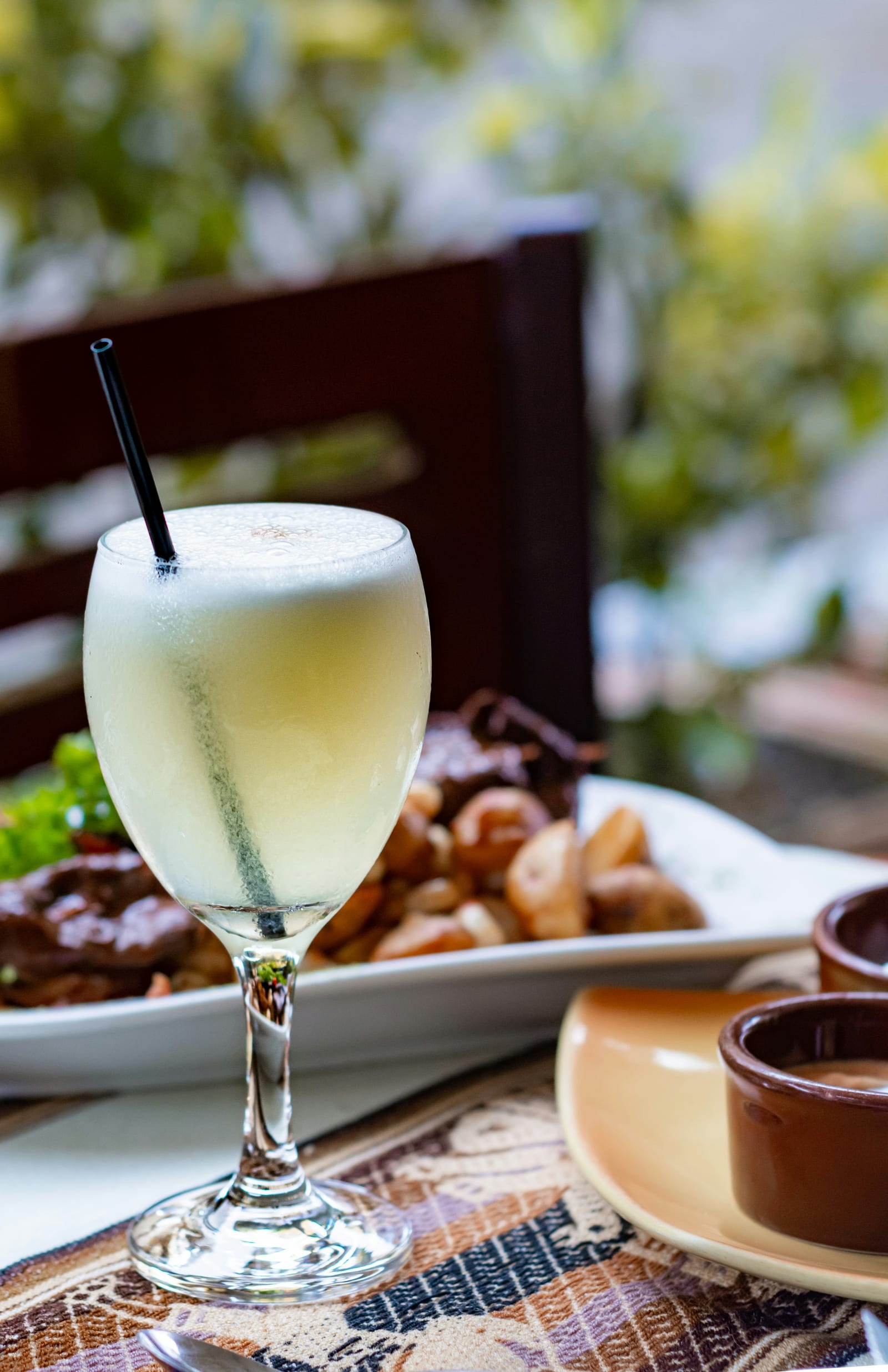
For a drink after returning from Machu Picchu, the bars along the main plaza serve pisco sours from approximately S/18–S/25. Most tourists are gone by 18:00 and the plaza quietens quickly.
Museo de Sitio Manuel Chávez Ballón
The official Machu Picchu site museum is located about 1.5km from Aguas Calientes along the road towards Machu Picchu, near the bus departure point. It houses original Inca artefacts excavated from the site: ceramics, bronze tools, human remains, and scale models of the citadel as archaeologists believe it originally appeared.
Entry costs approximately S/22 as of 2026; free with some combined Machu Picchu ticket packages — check your ticket when purchasing. Open daily approximately 09:00–17:00. Often overlooked because it requires backtracking to the bus stop area, but it adds significant context to what you have seen (or are about to see) at the site.
River Walk
The path along the Vilcanota River (Urubamba River) from the edge of town downstream is a short, free walk through cloud forest. The river runs fast and loud along a rocky channel with jungle on both sides. Go at dusk when birds are active — the area around Aguas Calientes is one of the more accessible birding spots in the Cusco region, with hummingbirds, Andean cock-of-the-rock (found in the cloud forest zone), and various tanager species recorded nearby.
The walk requires no map: follow the river path south from the train tracks for as long as you like and return the same way. Evening light is the best time.
Practical Notes
Train tickets: Book through PeruRail or Inca Rail as far in advance as possible — trains fill quickly during high season (June–September). Same-day tickets are rarely available. PeruRail’s Expedition service (the cheapest option) costs approximately USD 40–USD 55 one-way from Ollantaytambo as of 2026.
Bus to Machu Picchu: Buses depart from the bus terminal on Avenida Hermanos Ayar from approximately 05:30 and run continuously until the last visitors descend (approximately 21:00). Round-trip bus tickets cost approximately S/48 as of 2026; buy at the terminal the evening before to avoid queuing in the morning. The walk up (approximately 1.5–2 hours on a steep path) is a free alternative for the fit and early-rising. For guided visits with a licensed archaeologist rather than solo exploration, browse Machu Picchu tours departing from Aguas Calientes.
Altitude: At 2,040 metres, Aguas Calientes is significantly lower than Cusco (3,400m) or the Sacred Valley (2,700–3,100m). Most visitors find sleeping here easier after arriving from higher elevations. Machu Picchu itself sits at approximately 2,430 metres — still high enough to warrant a slow pace, particularly if you are arriving from sea level.